
Water Features vs. Traditional Pools: Which is Right for You?


Understanding Water Features
Water features are becoming increasingly popular in modern landscaping and outdoor design. These elements can include fountains, ponds, waterfalls, and streams, offering a serene and sophisticated aesthetic to any space. Unlike traditional pools, water features are primarily designed for visual appeal and relaxation rather than swimming or recreation.
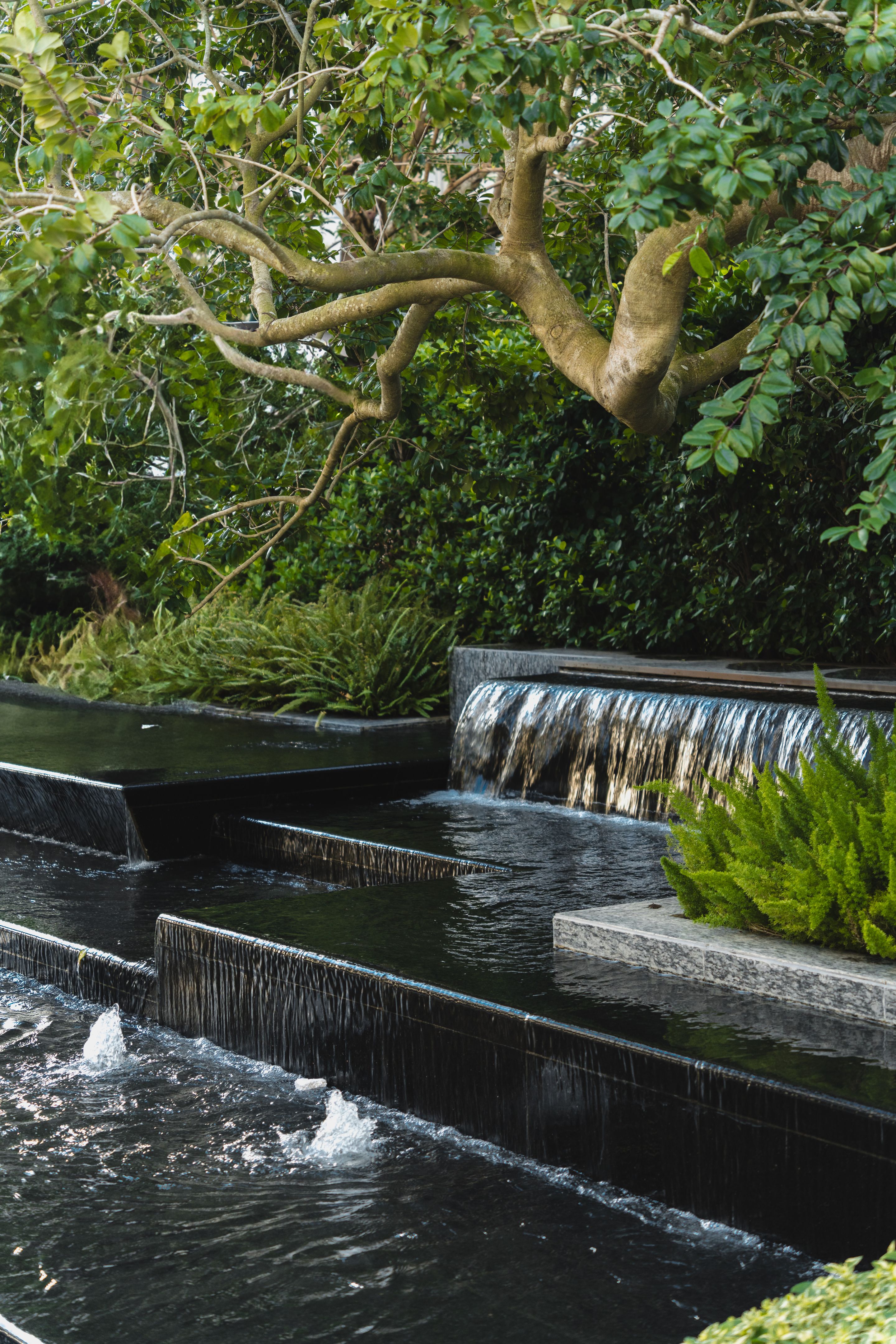
One of the primary benefits of water features is their versatility. They can be customized to fit various spaces, from small backyard gardens to expansive estates. Additionally, water features often require less maintenance than traditional pools, as they don’t need the same level of chemical treatment or regular cleaning.
The Appeal of Traditional Pools
Traditional pools have long been a staple of luxury and recreation. They provide a perfect spot for exercise, family fun, and cooling off during hot summer days. Pools are available in various shapes and sizes, allowing for customization to fit the homeowner's needs and space constraints.
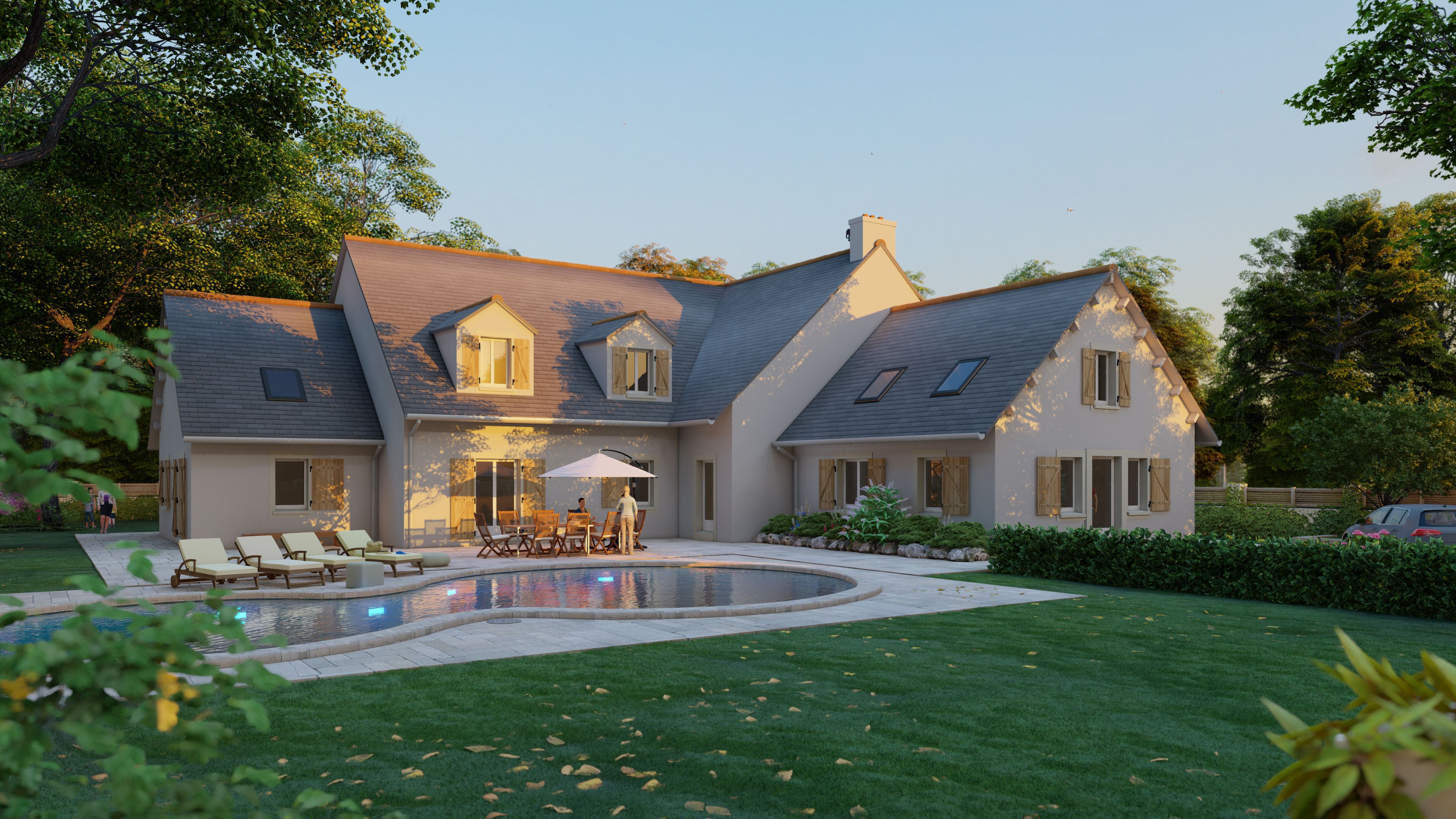
One of the key advantages of pools is their multifunctionality. Beyond swimming, they can be used for parties, relaxation, and even as a stunning focal point in your backyard. However, pools often require more maintenance than water features, including regular cleaning, chemical balancing, and occasional repairs.
Cost Considerations
When deciding between water features and traditional pools, cost is a significant factor. Generally, water features are more affordable to install and maintain. They require less water and fewer chemicals, reducing ongoing expenses.

On the other hand, traditional pools can be a substantial investment, both initially and over time. The costs of installation, maintenance, and potential upgrades or repairs can add up. However, pools often add significant value to a property, which can be a crucial consideration for homeowners.
Environmental Impact
Environmental impact is another important consideration. Water features typically have a smaller ecological footprint. They consume less water and energy, making them a more sustainable choice.
Traditional pools, while offering extensive recreational benefits, can have a higher environmental impact due to the resources required for maintenance and heating. Homeowners interested in eco-friendly options might consider energy-efficient pool pumps or solar heating systems to mitigate these effects.
Conclusion: Which Is Right for You?
Choosing between water features and traditional pools depends on your personal needs, space, and budget. If you prioritize aesthetic appeal, relaxation, and sustainability, water features might be the ideal choice. However, if you desire a space for recreation, exercise, and entertainment, a traditional pool could be the better option.
Ultimately, both options offer unique benefits and can transform your outdoor space into a personal oasis. Consider your lifestyle, preferences, and environmental concerns to make the best decision for your home.