How to Incorporate Eco-Friendly Designs in Your Backyard Remodeling


Understanding Eco-Friendly Design
Incorporating eco-friendly designs in your backyard remodeling is not only beneficial for the environment but also enhances the aesthetic appeal and functionality of your outdoor space. By making sustainable choices, you can create a beautiful and responsible backyard that supports local ecosystems and conserves resources.
Eco-friendly design involves using materials and practices that reduce your environmental footprint. This can include everything from the types of plants you choose to the materials used for hardscaping. The key is to focus on sustainability and efficiency in every aspect of your remodeling project.
Choosing Sustainable Materials
When it comes to materials, opt for those that are locally sourced and sustainable. Consider using reclaimed wood for decking or furniture, as it adds character and reduces the need for new lumber. Natural stone and recycled materials are also excellent choices for patios and pathways.
Additionally, look for products that are certified by environmental organizations, ensuring they meet specific sustainability criteria. This not only supports eco-friendly practices but also guarantees you’re using quality materials that will stand the test of time.

Water Conservation Techniques
Water conservation is a crucial aspect of eco-friendly backyard design. Implementing a rainwater harvesting system can help you collect and reuse rainwater for irrigation. This reduces your reliance on municipal water sources and helps keep your plants thriving during dry spells.
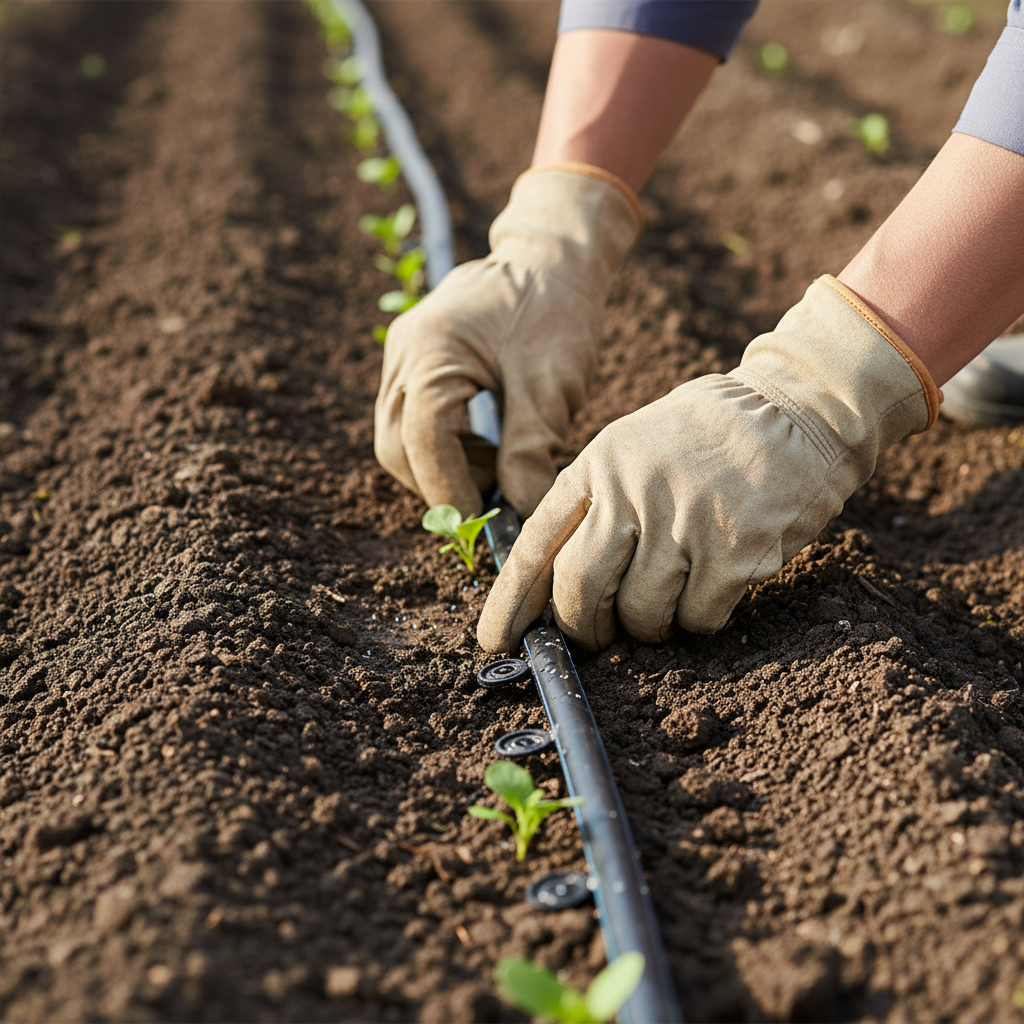
Consider installing a drip irrigation system, which delivers water directly to the roots of your plants, minimizing evaporation and runoff. This method is highly efficient and can significantly reduce water usage in your garden.
Planting Native Species
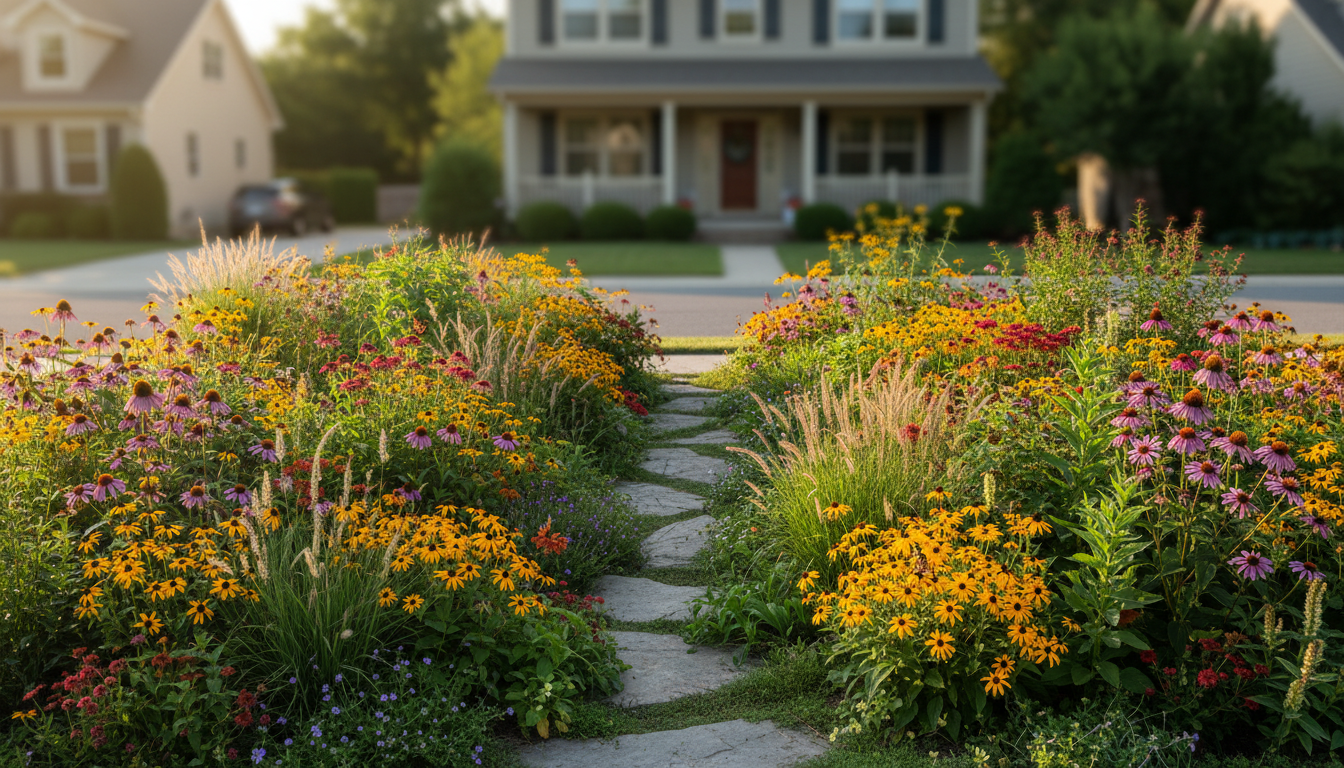
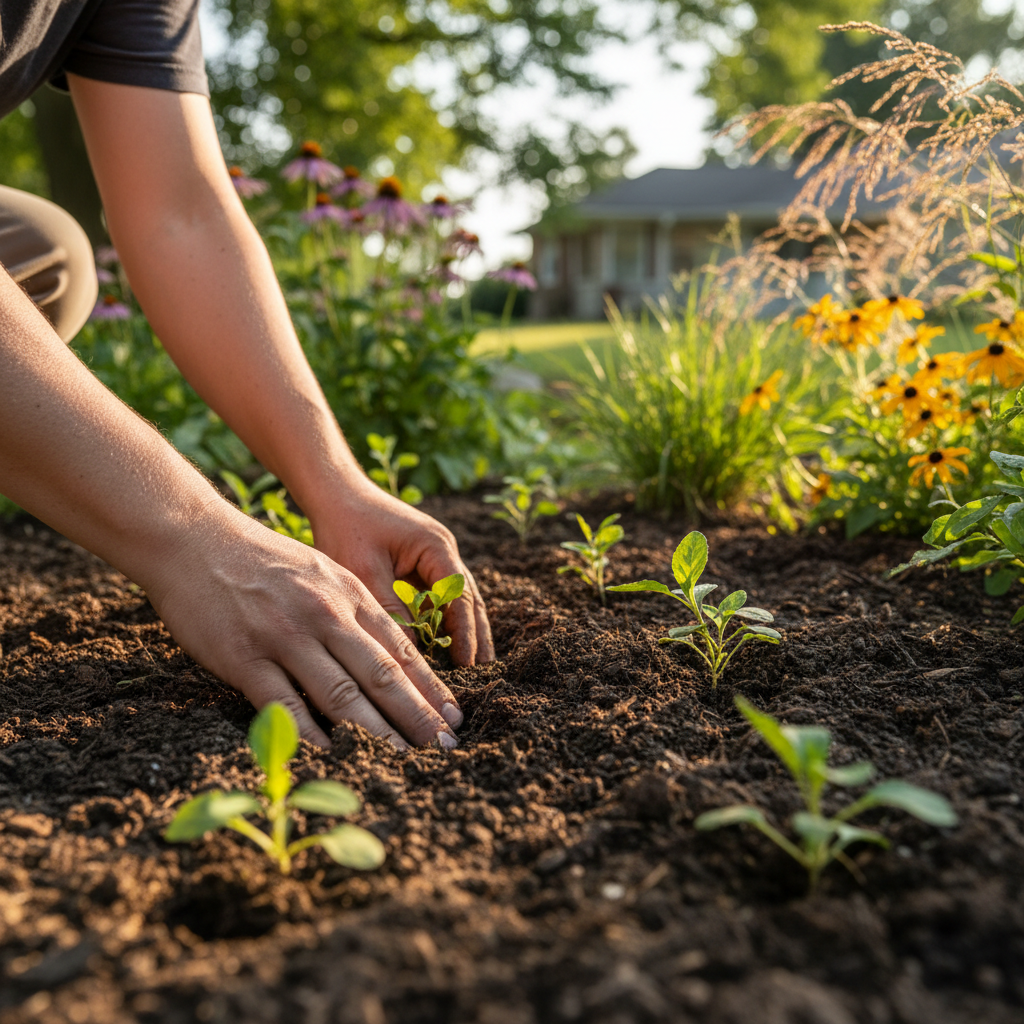
Choosing native plants for your backyard is a sustainable choice that supports local wildlife and reduces the need for excessive watering and fertilizers. Native plants are adapted to the local climate and soil conditions, making them more resilient and easier to maintain.
These plants also provide essential habitat and food sources for native pollinators like bees and butterflies. By incorporating a variety of native species, you can create a thriving ecosystem in your backyard.
Integrating Renewable Energy
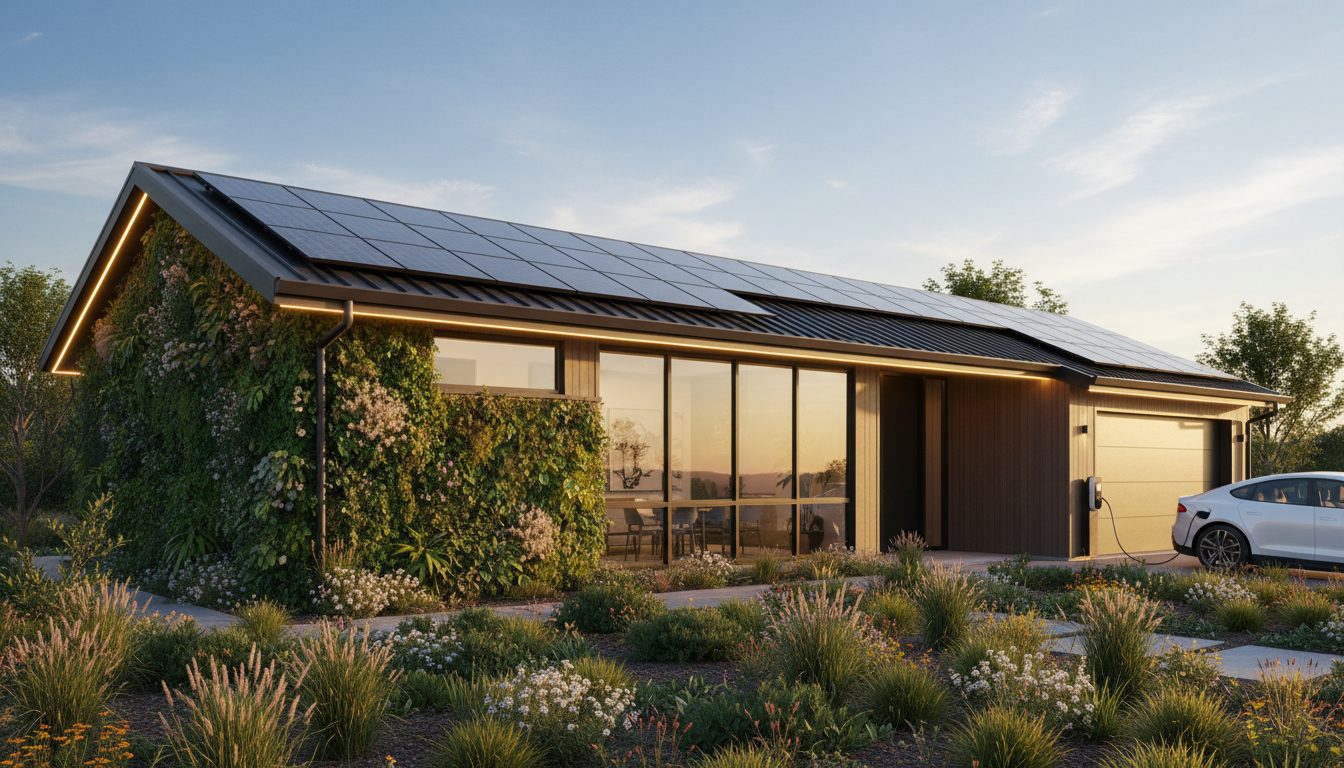
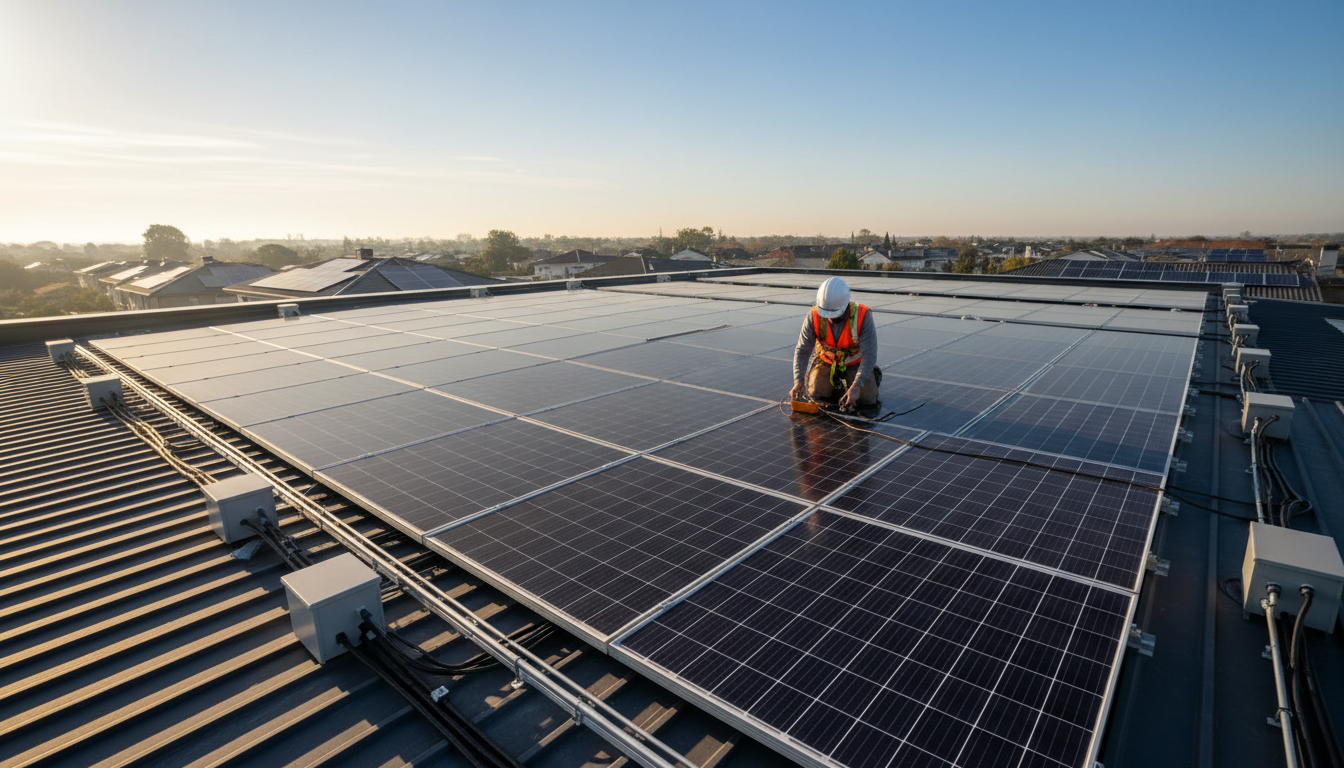
Integrating renewable energy options, such as solar-powered lights and water features, can further enhance your eco-friendly backyard design. Solar lights are an excellent choice for illuminating pathways and garden areas without increasing your energy consumption.
Using solar energy not only reduces your carbon footprint but also adds a modern and innovative touch to your outdoor space. Consider solar fountains or pumps to add a sustainable water feature that complements your design.
Creating Wildlife Habitats
Designing your backyard to support local wildlife is another way to embrace eco-friendly principles. Incorporate birdhouses, bat boxes, and bee hotels to provide shelter and nesting sites for beneficial creatures. These habitats encourage biodiversity and help maintain a balanced ecosystem.
Consider leaving some natural areas undisturbed, allowing native grasses and plants to grow. This provides cover and food for various species, contributing to a healthier environment.